



Updated: April 02 , 2026 at 08:30 a.m.

UNITED STATES

0

TEXAS

0

CAMERON COUNTY

0

Cameron County Public Health Hotline:  (956) 247-3650

What is monkeypox?

Monkeypox, or Mpox, is a rare viral disease spread through close contact with an infected person or their belongings. 

Its symptoms resemble smallpox, but Mpox is rarely fatal. Despite the name, monkeypox is not related to chickenpox.
Symptoms

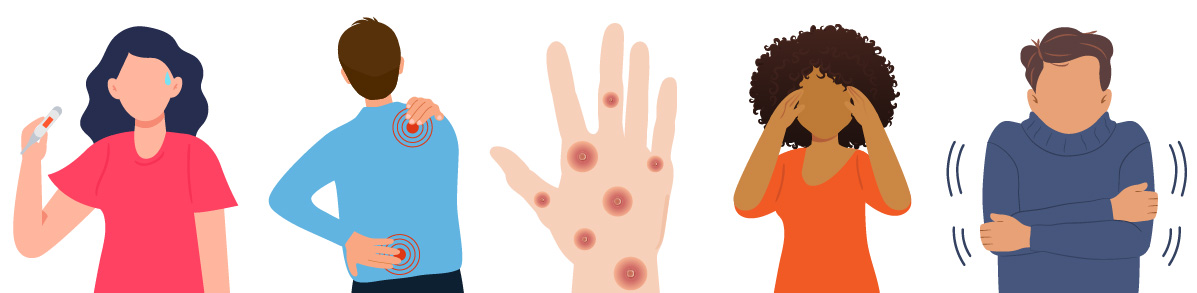
Symptoms of monkeypox usually start within 21 days of exposure. During this period, people may feel fine and show no signs of illness.

Monkeypox often begins with flu‑like symptoms, including:

  • Fever
  • Chills
  • Swollen lymph nodes
  • Exhaustion
  • Muscle aches and backache
  • Headache
  • Respiratory symptoms (such as sore throat, nasal congestion, or cough)

The characteristic sign of monkeypox is a rash that appears 1 to 4 days later. This rash:

  • Can appear on the hands, feet, chest, face, mouth, or near the genitals
  • Starts as pimples or blisters that may be painful or itchy
  • Progresses through several stages, including scabs, before healing

People may experience all symptoms or only a few.

Symptoms:

Symptoms of monkeypox usually start within 21 days of exposure. During this period, people may feel fine and show no signs of illness.

Monkeypox often begins with flu‑like symptoms, including:

  • Fever
  • Chills
  • Swollen lymph nodes
  • Exhaustion
  • Muscle aches and backache
  • Headache
  • Respiratory symptoms (such as sore throat, nasal congestion, or cough)

The characteristic sign of monkeypox is a rash that appears 1 to 4 days later. This rash:

  • Can appear on the hands, feet, chest, face, mouth, or near the genitals
  • Starts as pimples or blisters that may be painful or itchy
  • Progresses through several stages, including scabs, before healing

People may experience all symptoms or only a few.

Monkeypox symptoms

Monkeypox spread

The virus spreads mainly from close personal contact with an infected person and/or their belongings. The virus can spread when an uninfected person touches an infectious rash, scabs, or bodily fluids. It can also spread by close contact with personal belongings such as clothing, surfaces, and towels.

Additionally, the virus also spreads through direct contact, such as through hugging, kissing or prolonged face-to-face contact. A pregnant person can also spread the virus to their fetus. It is also possible for people to get monkeypox from infected animals, typically through scratches or bites.

An individual is contagious from the time their symptoms start until the rash has fully healed and a new layer of skin has formed (2-4 weeks).

How to Prevent Monkeypox?


  1. Avoid close, skin-to-skin contact with people who have a rash that looks like monkeypox.
    • Do not touch any rash, scab, or lesions.
    • Do not kiss, hug, cuddle or have sex with anyone that has a rash, scab, or lesions.
  2. Avoid contact with objects and materials with others.
    • Do not share eating utensils or cups.
    • Do not handle or touch the bedding, towels, or clothing of a person with monkeypox.
  3. Wash your hands often with soap and water or use an alcohol-based hand sanitizer, especially before eating or touching your face and after you use the bathroom.
  4. Practice social distancing.
  5. Clean and disinfect frequently touched surfaces daily.
  6. If you are sick, call your healthcare provider and isolate until the scabs/lesions have fully resolved.

Vaccine protection

The preferred vaccine to protect against monkeypox is JYNNEOS, which is a two-dose vaccine. It takes 14 days after getting the second dose of JYNNEOS for its immune protection to reach its maximum.

The ACAM2000 vaccine may be an alternative to JYNNEOS. ACAM2000 is a single-dose vaccine, and it takes four weeks after vaccination for its immune protection to reach its maximum. However, it has the potential for more side effects and adverse events than JYNNEOS. It is not recommended for people with severely weakened immune systems and several other conditions.

People should take precautions to reduce their exposure to monkeypox until immune protection from vaccines has reached its maximum. Consult your healthcare provider to see if you should get vaccinated against monkeypox, and if you should receive ACAM2000 instead of JYNNEOS.

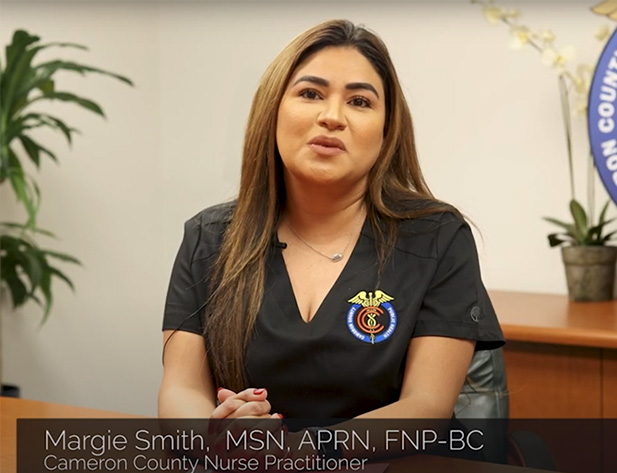
Click on the video for more information about monkeypox.

Monkeypox: School Reporting Response Plan

In response to a new school year and given the current health landscape of Texas, Cameron County
Public Health has developed the Monkeypox School Reporting Response Plan.

Scroll to Top